Vietnam’s Net Zero Goal

Vietnam and several other countries have set the goal of Net Zero (net-zero emissions) by 2050 to combat global climate change.
Climate change is one of the biggest challenges the world is facing. The consequences of storms, droughts, floods, and the loss of biodiversity are threatening economies, especially those of developing countries. In this context, reducing greenhouse gas emissions and aiming for Net Zero has become a key goal to mitigate global warming and sustain life on Earth.
To seek sustainable solutions for the future, the UN Climate Change Conference COP21 held in December 2015, with the participation of nearly 200 countries, adopted the Paris Agreement. This agreement was established to promote cooperation among nations in the fight against climate change.
This historic event formed a global framework for climate action, showing strong consensus among countries to combat climate change. Before the Paris Agreement, previous efforts like the Kyoto Protocol (1997) were not sufficient to curb greenhouse gas emissions.
The Paris Agreement encourages countries to set their own emissions reduction targets (Nationally Determined Contributions – NDCs). This allows countries to be flexible and adapt to their specific situations.
Global Net Zero Goal
In response to climate change, the international community has launched various initiatives and commitments towards reducing greenhouse gas emissions. The Net Zero goal, meaning achieving net-zero emissions, has become a central focus of many countries’ strategies.
At COP29 (2024), the U.S., the UK, and the European Union committed to reaching Net Zero by 2050. China aims for 2060, while India will achieve it by 2070. This demonstrates a global effort to use renewable energy and reduce reliance on fossil fuels.
Emissions Concentrated in a Few Countries
Five countries account for 60% of global greenhouse gas emissions (measured in 2021): China, the U.S., India, the European Union, and Russia. Other significant contributors include countries such as Argentina, Australia, Brazil, Canada, France, Germany, Indonesia, Italy, Japan, South Korea, and Mexico.
In contrast, the least developed countries contribute about 3.8% of global emissions, while small island developing states contribute less than 1%.
Vietnam’s Net Zero Goal

Prime Minister Pham Minh Chinh attended the opening session of the COP26 Climate Summit in the UK on November 1st. Photo: AFP
At the COP26 Climate Summit held in Glasgow, UK, in November 2021, Prime Minister Pham Minh Chinh declared that Vietnam is committed to achieving Net Zero by 2050.
He affirmed that, although Vietnam is a developing country that has only begun industrialization in the last three decades, it holds advantages in renewable energy. The country will implement strong greenhouse gas reduction measures with its own resources, alongside cooperation and support from the international community, especially developed countries, both in terms of finance and technology transfer. This includes adhering to mechanisms outlined in the Paris Agreement to achieve net-zero emissions by 2050.
Net Zero means reducing emissions as close to zero as possible, which can be achieved through the transition to a green economy and renewable energy. Any remaining emissions must be absorbed by forests and oceans.
This is an important step in achieving the sustainable development goals and mitigating the impact of climate change on Vietnam, a country that is highly vulnerable to natural disasters.
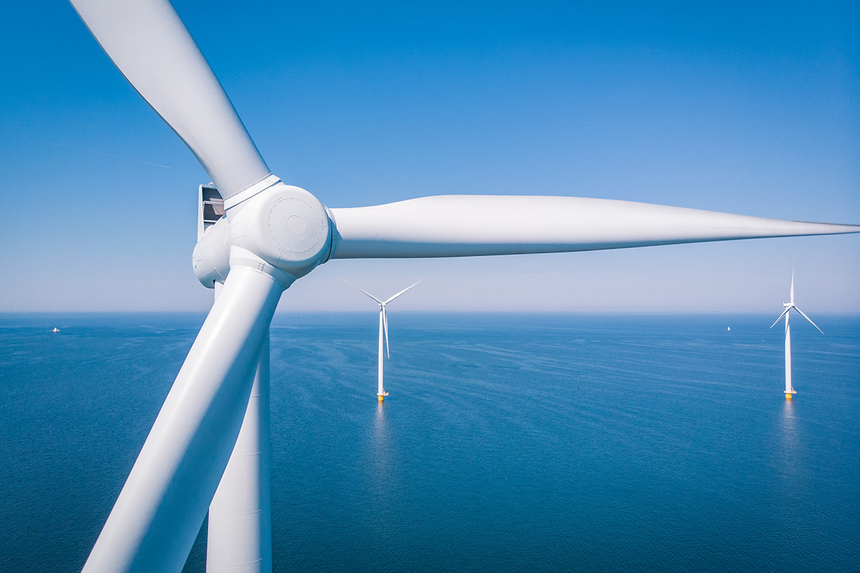
Vietnam has developed a roadmap for reducing emissions in key sectors, including industry, agriculture, transportation, and energy. The development of renewable energy sources such as wind power, solar power, and improving energy efficiency are key priorities.
Why must Vietnam commit to this goal?
Vietnam is one of the most severely affected countries by climate change, with rising sea levels threatening the low-lying regions and millions of people living in these areas.
This not only leads to economic losses but also threatens food security and sustainable development. The Net Zero commitment is crucial to minimizing the negative impacts of climate change, driving the transition towards a green and sustainable economy.
This commitment also helps Vietnam enhance international cooperation, attract foreign investment in renewable energy, and improve its position on the global stage.
Thus, Vietnam’s pursuit of the Net Zero goal is not only a responsibility to the international community but also a necessary action to protect its own future against the harsh impacts of climate change.
Source: VnExpress